
Winter has a way of lingering on the skin long after the calendar says it should be over. For people living with psoriasis, tightness, flaking and persistent flare-ups often follow into early spring, when skin is expected to feel renewed. The seasonal transition can be one of the most unpredictable times of year, as fluctuating temperatures, lingering dryness, and increased environmental exposure test an already compromised skin barrier.
Psoriasis doesn’t respond well to extremes, and the shift from winter to spring, with changing humidity levels, variable sunlight, indoor heating still in use, and more time spent outdoors can make management feel like an uphill battle. As spring approaches, many hope for relief, yet changing routines and skincare habits can trigger fresh irritation. Add in the new challenge of environmental triggers like pollen allergies and what should feel like a season of relief brings a brand-new set of challenges. The arrival of spring skin doesn’t automatically mean settled skin. It’s a reminder that managing chronic skin conditions isn’t about reacting to flare-ups alone, but about supporting the skin consistently, gently, and thoughtfully through seasonal change.
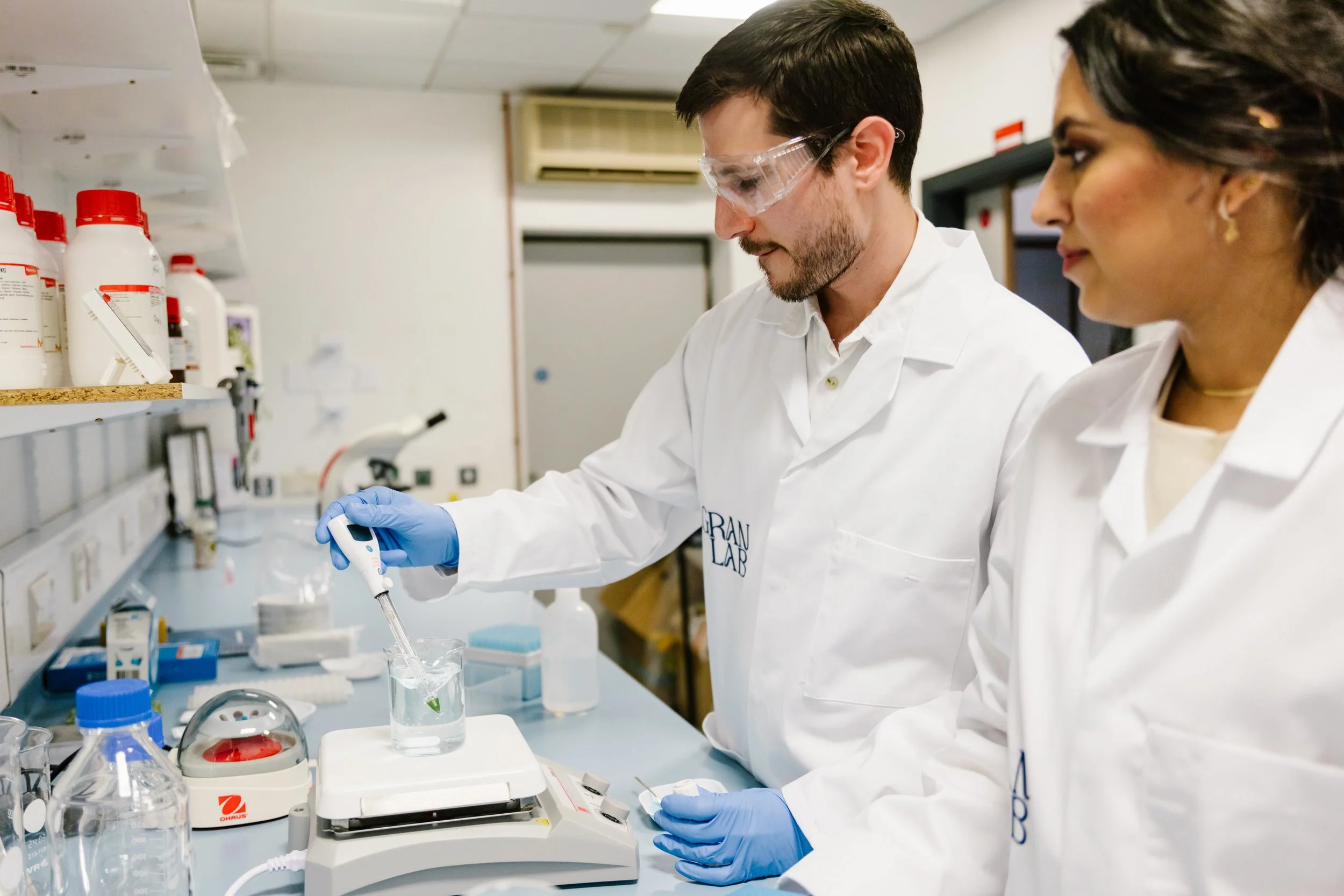
The Granlab team sees this in-between moment as an opportunity to rethink how your skin is cared for. With a focus on steroid-free by design, science-led skincare, the emphasis shifts from short-term suppression to long-term skin resilience, calming inflammation, strengthening the skin barrier and helping skin adapt as the seasons turn. Here are a few ways to step into spring with a routine that soothes, protects and supports your skin’s natural resilience.
Prioritise moisturising – apply more than you think you need
Dryness is one of the most common triggers for flare-ups, and it can persist even as the weather begins to warm. Regular, generous moisturising helps restore the skin barrier, easing itchiness, redness, and discomfort.
Using fragrance-free products is key for avoiding additional irritation. As skin adjusts to milder but still unpredictable conditions, consider switching from heavier lotions to balanced, barrier-supporting creams that hydrate without overwhelming the skin. Applying moisturiser immediately after washing can help seal moisture into the skin more effectively.
Keep showers warm, not hot
Hot showers may be tempting after chilly mornings or changeable spring days, but hot water temperatures can strip the skin of natural oils and worsen psoriasis symptoms. Keeping showers warm rather than hot helps protect the skin barrier.
Equally important is the choice of cleanser and shower gels. Traditional soaps can be drying and harsh, so opting for gentle, emollient wash products can cleanse the skin without disrupting its natural balance.
Dress with your skin barrier in mind
Clothing plays a subtle yet important role in psoriasis management. Rough or tight fabrics can rub against the skin and aggravate sensitive areas.
Choosing soft, breathable materials such as cotton can help reduce friction and irritation. Layering clothing during seasonal changes also allows better temperature regulation, helping to avoid overheating and sweating, which can trigger symptoms for some people.
If you choose to wear wool or knits, keep a soft layer between the garment and your skin to reduce irritation.
Hydration starts within
Topical care is essential, but skin health is also influenced by hydration levels inside the body. Drinking enough water supports overall skin function and helps counteract the dehydration effects of lingering indoor heating and increased activity as routines shift in spring.
Hydration alone won’t control psoriasis, but it does complement a well-designed skincare routine and supports the skin’s natural resilience.
Combat indoor dryness with clever touches
While temperatures may be rising, central heating systems are often still in use during early spring, and that dry air can worsen your psoriasis symptoms. Introducing a humidifier, particularly in the bedroom overnight, can help maintain healthier humidity levels and support your skin comfort. Alternatively, placing a bowl of water near radiators can add some moisture to the air. Small environmental changes can have a noticeable impact over time.
A steroid-free, skin-first approach
Topical steroids are often prescribed for psoriasis, but they are not always suitable for long-term or frequent use. Steroid-free skincare like the products being pioneered at Granlab focuses on soothing inflammation, supporting the skin barrier and maintaining comfort through consistent use. A gentle, science-led routine can help reduce reliance on stronger treatments and support skin health through periods of transition, not just winter.
When to seek professional advice
Psoriasis can be unpredictable, and symptoms may fluctuate despite careful management. Seasonal shifts can sometimes uncover new triggers or patterns. If flare-ups become more severe, persistent or difficult to control, it’s important to speak with a GP or dermatologist. Professional advice can help ensure treatment remains appropriate and effective.
For more advice on establishing a skincare routine and care plan that supports your skin health consider a one-to-one consultation with Granlab’s founder Dr Pragya Sharma. Visit the Consultations page on our website for more information.